On this page
- Key takeaways
- How does the interview method for writing a book work?
- How many hours of recordings do you need for a book?
- How do you record good interviews for a book?
- What questions should you ask to get book-worthy stories?
- Should you record alone or be interviewed?
- How do voice recordings become polished chapters?
- Can you record a parent's or grandparent's story this way?
- What are the most common mistakes with recorded books?
- How Cassell Publishers can help
- Frequently asked questions
- Sources
You can write a book from voice recordings by recording structured interviews or voice memos, transcribing them, organizing the stories into an outline, and shaping the transcript into polished chapters that keep your natural voice. The method suits memoirs, business books and sermons, and many full-length books draw on 10 to 20 or more hours of conversation.
If you have always said "I could talk about this for hours, I just can't write it down," this method was made for you. Here is exactly how it works, from the first recording to the finished manuscript.
Key takeaways
- Talking is often the fastest, most natural way to get a book's raw material out of your head.
- Structured sessions with open-ended questions produce far better material than random dictation.
- A quiet room, a tested phone and a backup copy are all most people need to record well.
- A transcript is raw material, not a book; shaping it into chapters is where the craft lies.
- Your actual words, captured on tape, are the best protection for your voice on the page.
How does the interview method for writing a book work?
The interview method turns conversation into chapters in five stages: plan the sessions, record them, transcribe them, organize the material into an outline, then write and refine the chapters. You do the talking and approving; a writer or editor does the shaping.

It works because most people tell stories better than they write them. When you speak, you naturally include the detail, emotion and humor that tends to vanish when you sit in front of a blank page. The method captures that energy and gives it structure.
| Stage | What happens | Your role |
|---|---|---|
| 1. Plan | Agree on the book's purpose and a session plan | Share goals, timeline and key people |
| 2. Record | Hold recorded interviews or record voice memos | Talk openly, bring photos and documents |
| 3. Transcribe | Turn every recording into a written transcript | Correct names, places and dates |
| 4. Outline | Group stories into themes and chapters | Approve the structure |
| 5. Write and refine | Shape transcripts into chapters in your voice | Review, fill gaps, approve |
This is the same method oral historians have used for decades to preserve first-person accounts, adapted for a book rather than an archive. If you are working with a professional writer, our guide to how ghostwriting works shows how these stages fit into the full project.
How many hours of recordings do you need for a book?
Many full-length books draw on roughly 10 to 20 or more hours of recorded conversation, while shorter family books can need less. More focused sessions mean fewer total hours.
Some benchmarks help with planning. StoryTerrace, which produces interview-based memoirs, describes one book built from about 20 hours of interviews and recommends focused sessions of 60 to 90 minutes. For a sense of word count, ACX, the audiobook platform, estimates that about 9,300 words equals one hour of finished narrated audio.
Conversation is slower than narration. It includes pauses, questions, tangents and repetition, so an hour of interview produces fewer usable words than an hour of narration, and only the best of it reaches the final book. That is a good thing. Recording more than you need gives the writer room to choose your strongest stories instead of padding thin ones.
How do you record good interviews for a book?
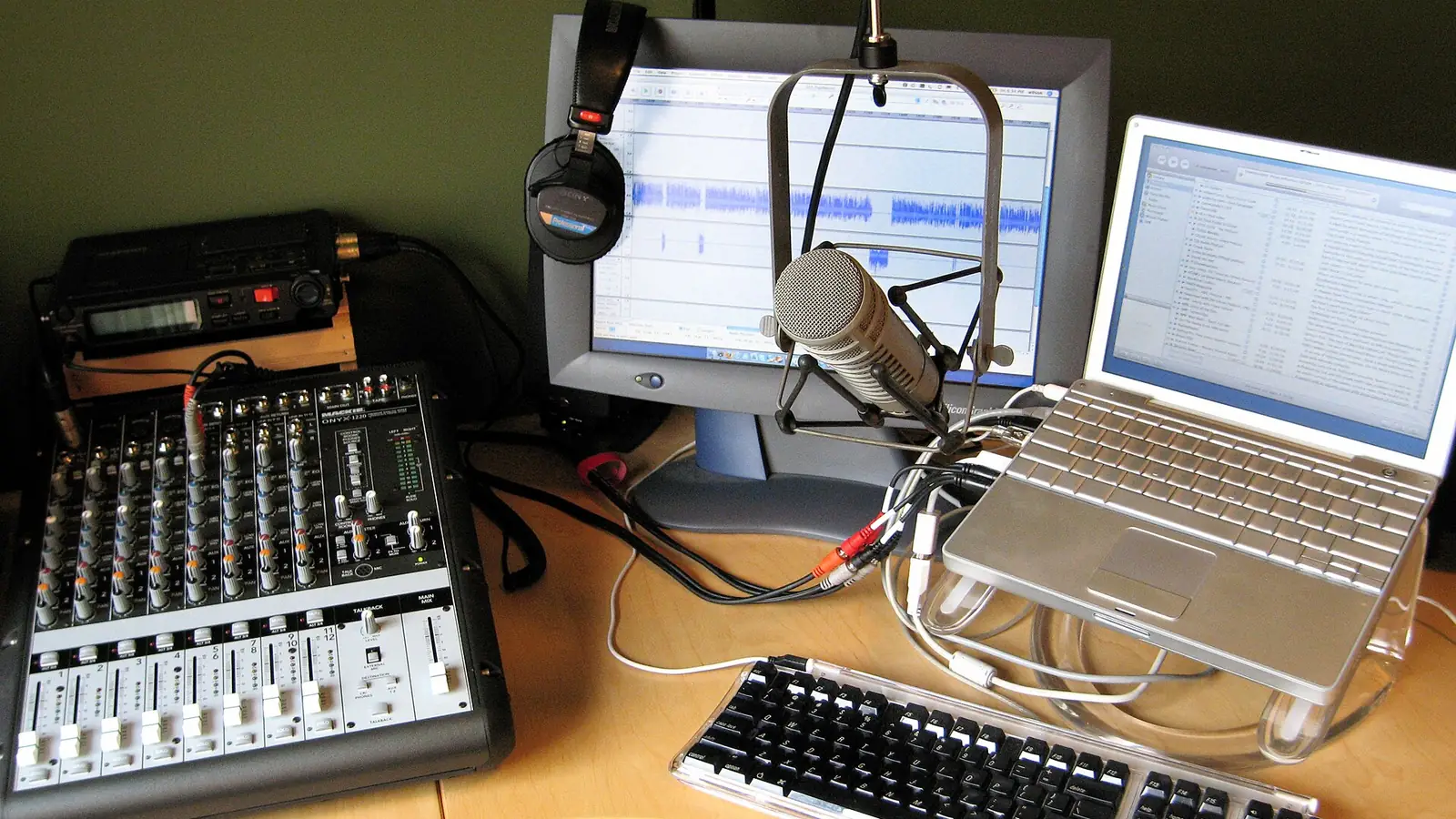
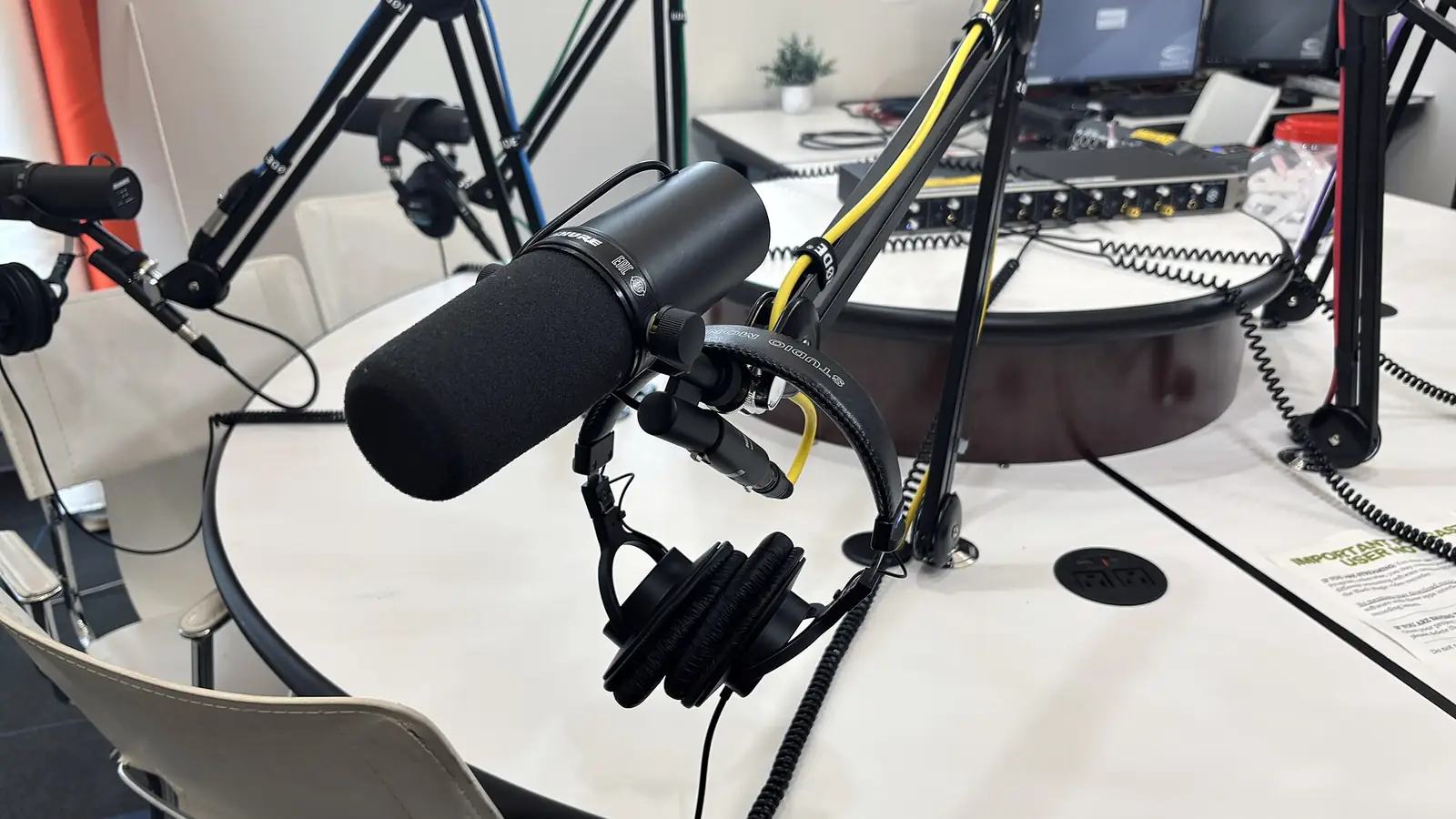
Record in a quiet, comfortable room, test your equipment before every session and back up each file right away. Good sound saves hours later, because every unclear word becomes a gap to chase.
The Library of Congress Veterans History Project, which preserves first-person accounts of veterans, advises choosing a comfortable, quiet location such as the narrator's home, and its preparation guide stresses testing equipment, including battery levels and microphones, before you begin. The Oral History Association's best practices add that recordings should be made with minimal background noise and stored as redundant copies in different physical locations.
In practical terms:
- Choose a soft room. Carpets, curtains and sofas absorb echo. Kitchens and bathrooms amplify it.
- Silence everything. Turn off televisions, fans and notifications. Put the phone on do not disturb.
- Keep the microphone close. About an arm's length or less from the speaker, on a stable surface.
- Record a test. Thirty seconds of talk, played back, catches most problems.
- Name and back up files. Use the date and topic in the filename, and save a second copy elsewhere the same day.
What questions should you ask to get book-worthy stories?
Ask open-ended questions that invite stories, feelings and sensory detail, then follow up on whatever sparks. Questions that can be answered with yes or no produce thin material.
The Veterans History Project gives a good model of an open question: "What was the hardest part of the military lifestyle for you to adapt to?" The Oral History Association recommends preparing a guide of themes rather than a rigid script, listening actively and following up for clarification and elaboration.
Here are prompts that work well for most life story and memoir sessions:
- What is your earliest clear memory, and who was there?
- Describe the house you grew up in, room by room.
- Who was the person you most wanted to impress as a child, and why?
- Tell me about a day that changed the direction of your life.
- What did you believe at 20 that you no longer believe?
- What was the hardest decision you ever made?
- When did you feel proudest of yourself?
- What did your work teach you that no school could?
- What do you want your grandchildren to understand about you?
For business books, swap in questions about turning points, failures, client stories and the lessons behind your methods. For sermons and ministry books, ask about the moments that shaped each message.
A sample ten-session plan for a memoir
| Session | Focus |
|---|---|
| 1 | Purpose of the book, overview of your life, key people |
| 2 | Family background and earliest memories |
| 3 | Childhood and school years |
| 4 | Young adulthood, first work, first independence |
| 5 | Relationships, marriage and family life |
| 6 | Career, calling or main life's work |
| 7 | Hardships, losses and how you came through them |
| 8 | Proudest moments and turning points |
| 9 | Beliefs, values and lessons |
| 10 | Gaps, clarifications and the message you want to leave |
Should you record alone or be interviewed?
Being interviewed usually produces better material than recording alone, because a good interviewer asks follow-up questions, notices the stories you skip past and keeps each session on track. Solo voice memos are still valuable as a supplement.
Recording alone works well for capturing ideas the moment they come to you: in the car, on a walk or late at night. Keep each memo to one story or one idea, and say a short title at the start so it is easy to find later.
An interviewer brings something you cannot easily give yourself: curiosity from the outside. When you say "and then we moved to Miami," an interviewer asks what the first week felt like, and that answer often becomes the best scene in the chapter. Many authors combine both approaches, with weekly interviews for structure and voice memos in between for the details that surface on their own.
How do voice recordings become polished chapters?
Recordings become chapters through transcription, selection, structure and careful rewriting that keeps your phrasing. This is where most of the professional work happens, and where the difference between a transcript and a book is made.
- Transcribe every session. A complete, accurate transcript is the foundation. Check names, places and dates against your documents.
- Tag the material. Mark each story by theme, time period and the people involved.
- Choose the arc. Decide what the book is really about. A memoir might focus on one journey; a business book on one method.
- Build the outline. Assign the strongest stories to chapters and spot what is missing.
- Draft in your voice. Keep your natural phrases and humor, cut repetition, turn summaries into scenes.
- Run follow-up sessions. Short recordings fill the gaps the draft reveals.
- Review and approve. Read each chapter aloud. If a line does not sound like you, mark it.
- Edit and proofread. A final professional edit and proofread prepares the manuscript for publishing.
Can you record a parent's or grandparent's story this way?
Yes, and it is one of the most rewarding ways to use the interview method. Older relatives often find talking far easier than writing, and the recordings themselves become treasured family keepsakes.
A few extra considerations help:
- Ask permission clearly. Explain the book's purpose and how the recordings will be used. The Oral History Association recommends documenting informed consent before recording and securing a signed release.
- Keep sessions short. Plan for comfort and energy, and stop when they are tired.
- Use photos as prompts. The Veterans History Project notes that old photographs help jog memories.
- Respect hard topics. Let them skip or pause anything painful. Watching the person's emotional state matters more than finishing the question list.
Our guide on how to write your parent's life story goes deeper into planning a family memoir.
What are the most common mistakes with recorded books?
Most problems come from poor audio, unstructured sessions or treating the transcript as finished. All three are easy to avoid once you know them.
- Recording in noisy rooms. Background noise turns into missing words and guesswork.
- Rambling without a plan. Open, wandering talk has value, but a session focus keeps material usable.
- Only one backup, or none. Lost files cannot be reinterviewed if the person is no longer available.
- Publishing the transcript as is. Spoken language reads very differently on the page.
- Rushing approval. Read every chapter carefully; it is your name on the cover.
How Cassell Publishers can help
Cassell Publishers regularly writes books from recorded conversations through our ghostwriting service. We plan your sessions, interview you by phone or video, and turn the recordings into a manuscript in your own voice, with chapter-by-chapter approval and full copyright assigned to you. This method suits memoirs and family histories through our memoir services, as well as business, faith and ministry books. If your recordings have a life beyond the page, we can also help with an audiobook. Book a complimentary consultation and we will help you plan your first session.
Your story is already in your voice; the interview method simply makes sure it reaches the page.
Frequently asked questions
Can you really write a whole book just by talking?
Yes. Many memoirs, business books and ministry books are built mainly from recorded conversations. You talk through your stories and ideas in structured sessions, the recordings are transcribed, and a writer or editor organizes and shapes them into chapters. You review and approve the text, so the finished book reads well but still sounds like you.
How many hours of recording does it take to make a book?
It depends on length and how focused the sessions are, but many full-length books draw on roughly 10 to 20 or more hours of conversation. One published example from StoryTerrace was built from about 20 hours of interviews. Narrated audio runs about 9,300 words per hour, and conversation yields fewer usable words, so more hours give more choice.
Is a transcript the same as a book?
No. A raw transcript repeats itself, wanders and jumps between time periods. Turning it into a book means selecting the strongest stories, ordering them, building scenes, smoothing sentences and filling gaps with follow-up questions, while keeping your natural phrases. That shaping is the core skill a ghostwriter or editor brings.
What equipment do I need to record my stories?
A modern smartphone in a quiet, soft-furnished room is enough for most book interviews. Test it first, keep the microphone close, silence notifications and record a short sample to check the sound. An inexpensive clip-on microphone helps if your voice is soft. Always save a backup copy of every recording.
Can I record my parent's or grandparent's life story for a book?
Yes, and it is one of the most meaningful uses of the interview method. Explain the purpose, get their agreement to record, choose a comfortable quiet place and keep sessions short. Use photos to prompt memories, ask open questions, and let them pause or skip any topic. Agree in writing how the recordings and book will be used.
Will the book still sound like me if someone else writes it from my recordings?
It should, if the writer works from your actual words. Recordings capture your rhythm, humor and favorite expressions far better than notes. A good writer keeps those phrases, cuts repetition and asks you to approve a sample chapter so you can confirm the voice before the rest of the book is drafted.
Sources
- built from about 20 hours of interviews storyterrace.com
- about 9,300 words equals one hour acx.com
- comfortable, quiet location loc.gov
- testing equipment loc.gov
- best practices oralhistory.org